Giants in the Earth – A Love Story?
Written by Christina Mermis
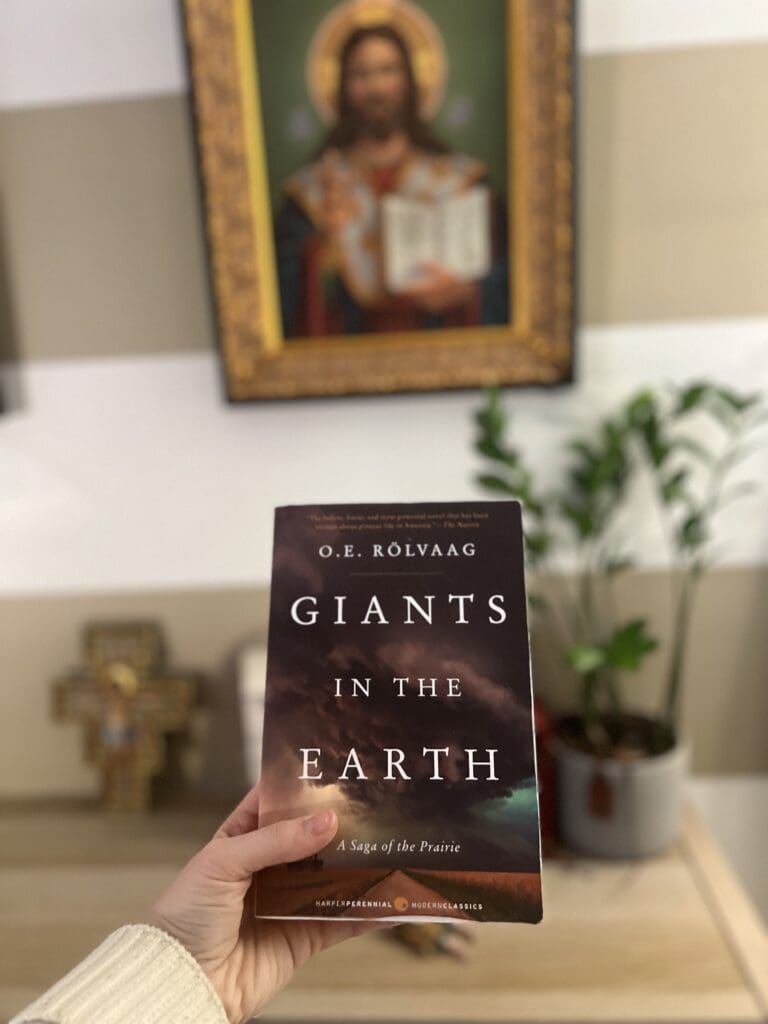
Although not “American Literature” in the literal sense, Giants in the Earth has become a modern American classic. I find it remarkable that a novel written by a Norwegian in Norwegian, presumably for Norwegians, has been so successful in this country. The introduction grapples with the novel’s proper classification: Is the novel Norwegian literature? American literature? Norwegian-American literature? I found this intriguing and as I read the book, my mind kept going back to this question.
American literature is a subspecies of English literature. Properly speaking, it is a canon of books written in English in the United States that also includes literature from the British colonies that preceded it. Giants in the Earth was not originally written in English. It was translated by Lincoln Colcord, who also wrote the English translation’s introduction. But the author did write this book while in America and the novel takes place entirely in America. Its plot is pure America—immigrants bravely venturing into and settling the untamed West through sheer grit. Its tone, while not typically “western”, is still American—determined men and women enduring unimaginable hardships for a better life for themselves and their children. Present sacrifice for future gain.
And yet, I don’t think this is precisely why Giants in the Earth speaks to Americans. It certainly doesn’t explain its success in Norway or other European countries. I think there is something beyond language, setting, and character development. I also humbly understand that there is much I will never “get” in reading this novel. As our Year of the Teacher Reading Companion mentioned, the story contains numerous allusions to Norwegian folklore and myth. But I think this is the key. Folklore and myth are primordial and transcendent. Regardless of the culture they develop in, lore and myth speak to all of humanity across time and space. For example, every culture has its version of Cinderella. The ultimate “true myth” according to Tolkien is the story of Christ. Giants in the Earth is split into two halves—with a salvific birth separating the two. Book One, “The Land Taking”, is all about finding a promised land. Book Two is “Founding the Kingdom”. The story ends with the main character dying a noble death in an effort to save a friend. It’s the story of humanity told and retold. It’s His Story.
As I read the last page of this book, I gasped. He dies! It was gut-wrenching and surprising but it was also immensely satisfying and somehow… right. Of course he dies. He dies while heroically seeking the minister to help his friend in his final moments. He dies on a mission for the wife he loves to help the friend he loves. That’s what love is. It’s the cross. Always. There isn’t any getting around it. And ultimately that’s what this story is—a love story. But it’s a true love story that doesn’t pull any punches. This side of heaven, there is no redemption without suffering. Whether in the mountains of Norway or the flatlands of Nebraska, love always requires sacrifice and suffering. The novel’s brutal beauty and goodness illumine this truth.
About Christina Mermis
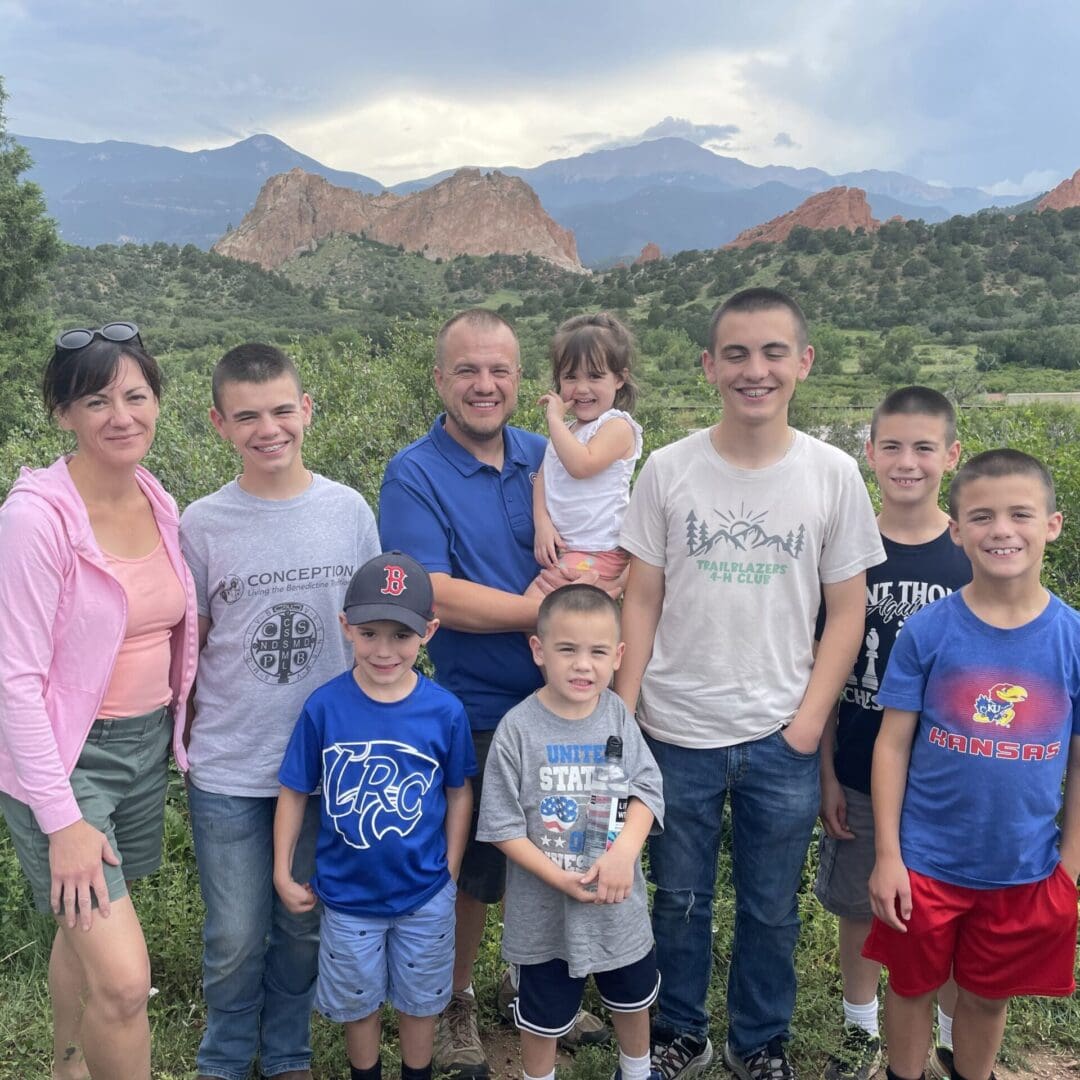
Christina Mermis and her husband are raising their seven children high in the mountains of Colorado. Her favorite place is in a book. She loves learning about her faith, classical education, and literature. Her passion is to integrate these into the fabric of her homeschool and domestic church and to walk alongside her children in the search for truth, goodness, and beauty.
About Well-Read Mom
In Well-Read Mom, women read more and read well. Our hope is to deepen the awareness of meaning hidden in each woman’s daily life, elevate the cultural conversation, and revitalize reading literature from books. If you would like to have us help you select worthy reading material, we invite you to join and read along with us. We are better together! For information on how to start or join a Well-Read Mom group visit our website wellreadmom.com