Becoming Well-Read: Entering into the Great Conversation
Written by Molly Aranda
What does it mean to be a “Well-Read Mom?” When I was first introduced to Well-Read Mom in 2017, I was intimidated by the name. As a latecomer to reading for leisure, I felt that I didn’t qualify as “well-read.” Plato? Nope. Milton? Didn’t even cross my mind. How could I fit within the lofty aspirations of this group?
As a girl, I was the one to skip over Anne Shirley and devour encyclopedias. Britannica Book A: Aardvark, anyone? Yes, it’s strange, I know. I believed that reading fiction was a waste of time, and when I went to college as a pre-med and anthropology student, I still did not have to challenge this prejudice, as I was mostly fed a diet of dense science textbooks and academic articles.
It was motherhood that first awakened in me a love of story. Pregnant and on bedrest with twins, I was gifted a Michael O’Brien book: Sophia House. As much as I was tempted just to do arm curls with the book, I was bored and lonely, so cracking open this gigantor of a novel felt like the next best thing. I was immediately struck by his mastery of language—he painted images with vocabulary that was rich, striking, and revealing of the human experience. For the first time in my life, 1000 pages blew by without a complaint. I had caught the bug.

After sixteen years of homeschooling and my growing hobby of reading for pleasure, I own an embarrassing number of books. They sit two levels deep on my bookshelf because I have run out of precious book real estate. So, when I first connected with a group, what was it that I found intimidating in the term “Well-Read Mom?”
Initially, I thought that being “well-read” meant having a degree in Classics or checking off the entirety of Mortimer Adler’s Great Books list. It meant I must have a working understanding of the Homeric Epics, Cervantes’ humor, and Descartes’ philosophy. Oh, and of course, a familiarity with Shakespeare’s complex language. It meant somehow that there was a closed canon of dusty books that one must read to have finally arrived at the honorary title of “well-read,” and that I was about eighty books and twenty years shy of this distinction.
But here’s the thing: after I finished my self-conscious lament over my lack of literary education, I began to notice something spectacular. The books I had read started talking to each other and to me. Suddenly, my brief foray with the poetry of Gerard Manley Hopkins showed up in The Father’s Tale, and my struggle through TS Elliot’s Burnt Norton provided as striking a flash of insight as I sat in a crowded waiting room, everyone’s eyes glued to their smartphones, and Elliot’s voice in my memory:
Distracted from distraction by distraction / Filled with fancies and empty of meaning
I hear church bells and think of Quasimodo, and I recently took a trip to the west coast of Ireland and pictured Noe and Christy stumbling home from the pubs in the pitch-black and star-filled sky. Having a mind filled with whispers of the author, the rich images of landscapes and love painted with words, and the emotions and memories they produce in me is a transformative gift.
I realized that being “well-read” is not the accomplishment–it is a journey and we are pilgrims, humbly seeking to see the world not with our limited scope of vision, but with a vision juxtaposed and expanded with the words and wisdom of the visionaries who have come before us. I allow my imagination to be formed by the beauty and sorrow of teacher protagonists, and see the world through the lens of God’s story revealed through the power of literature. It is entering into the Great Conversation, not finally being done with it.
I will most likely not finish all the books on my “to read” list before I die. I am a self-proclaimed book hoarder, after all. Yet I am at peace with that because we are journeying towards an infinite eternity, so why would I imagine the reading ends on this side of the veil? Here’s to being “well-read” exactly where we are, with the hopeful expectation of entering into His glorious imagination.
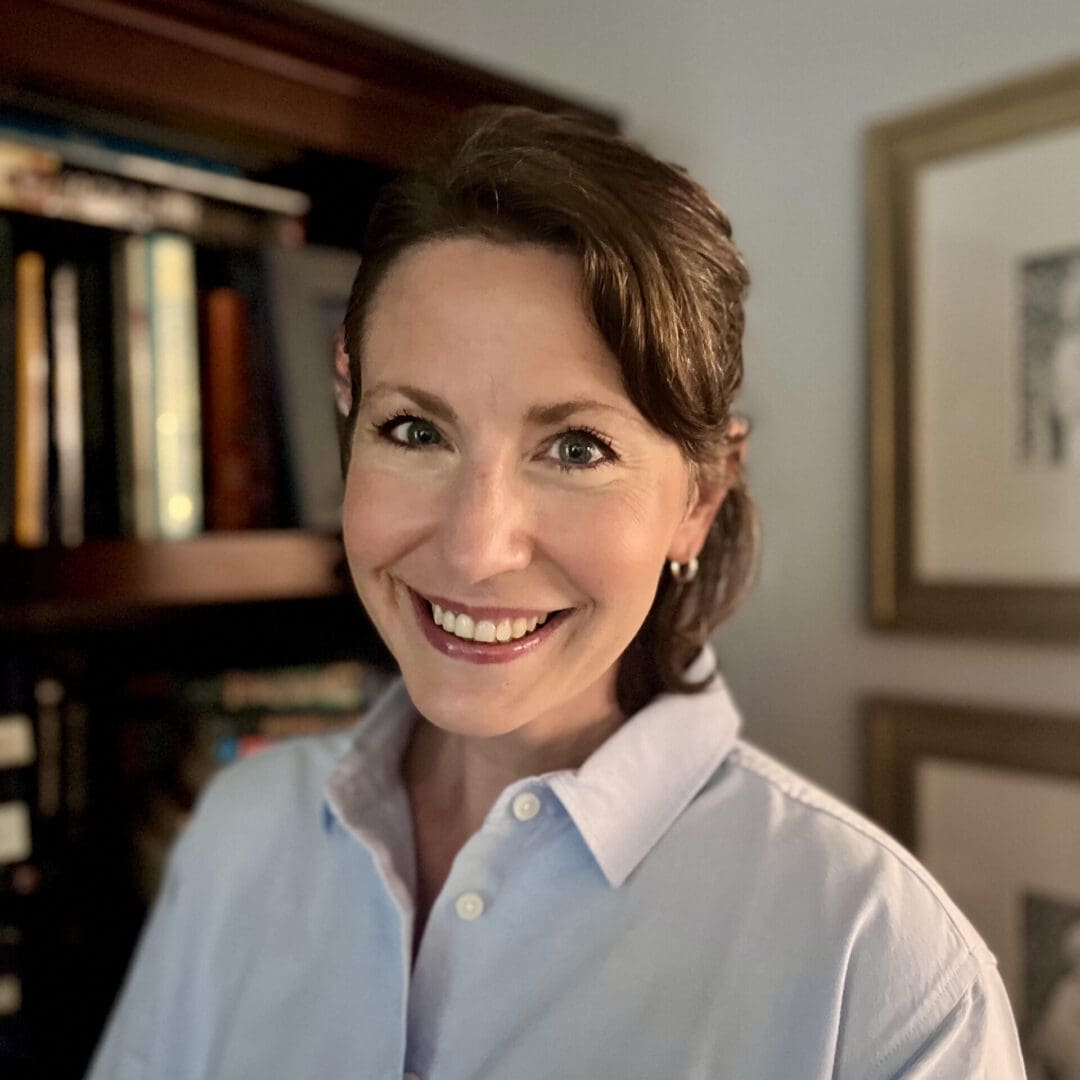
About Molly Aranda
Molly Aranda is a homeschooling mom of sixteen years from the St. Louis area. In addition she is a writer, keynote speaker, and theology teacher. A proud graduate of the University of Notre Dame, Molly is an avid football fan, lover of hiking, cooking, and a recent breast cancer survivor.
About Well-Read Mom
In Well-Read Mom, women read more and read well. Our hope is to deepen the awareness of meaning hidden in each woman’s daily life, elevate the cultural conversation, and revitalize reading literature from books. If you would like to have us help you select worthy reading material, we invite you to join and read along with us. We are better together! For information on how to start or join a Well-Read Mom group visit our website wellreadmom.com